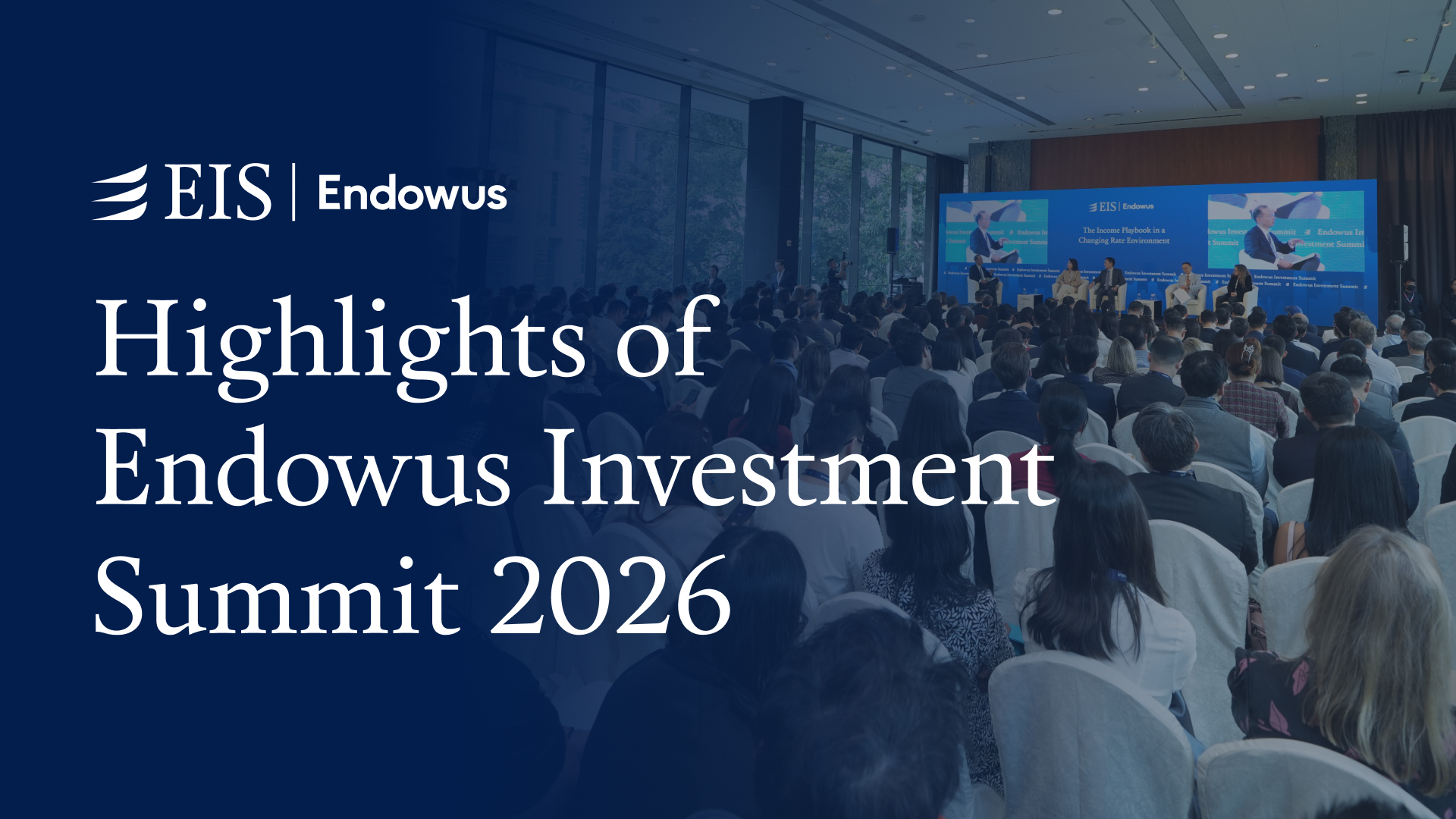
The third edition of the Endowus Investment Summit 2026 (EIS 2026), convened in Hong Kong on 19 March, welcomed more than 400 senior industry leaders, family office principals, investors, and policymakers, including representatives from the Hong Kong Monetary Authority and leading asset managers.
The conference took place against a backdrop of heightened geopolitical tensions and market volatility, sparking engaging conversations across various asset classes, fronted by an excellent panel of speakers. It provided Endowus clients with a broader lens to review the current state of play and examine opportunities for each asset class.
The Summit addressed the defining question, central to this year's theme: how to seek clarity in investing in 2026. Here is a summary of the main panels held at EIS 2026.
Keynote panel: Reinventing Hong Kong’s wealth management leadership
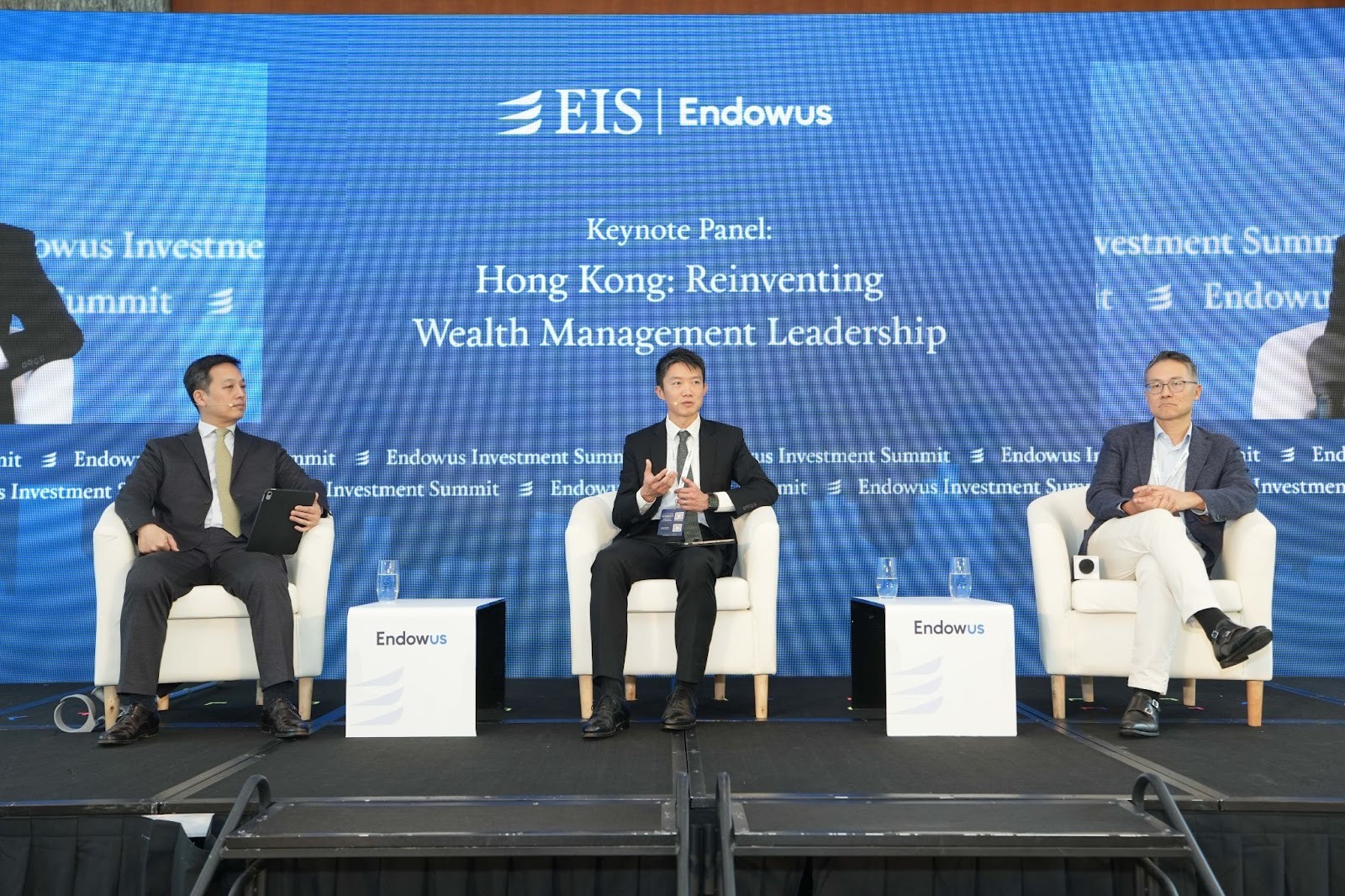
The opening discussion focused on Hong Kong’s evolution as the world's leading cross-border wealth hub, the development of the family office industry and its competitive advantages over other regions, and the key issue of retirement adequacy. On that specific topic, Joe Ngai from McKinsey Greater China was extremely passionate about the need for better planning for working and investing, beyond just a traditional view of retirement.
- Hong Kong is actively consolidating its position as the premier global wealth hub by expanding cross-border capabilities and building direct cross-border clearing and ETF cross-listings with various markets. Currently, over 50% of managed assets originate from outside the Chinese Mainland and Hong Kong, and nearly 60% of total investments are deployed internationally. Despite persistent geopolitical headwinds, Hong Kong occupies a significantly more resilient and investable position today than in years past.
- The government is expanding tax-exempt regimes for family offices and investment funds. Furthermore, the integration of artificial intelligence in all aspects of financial management is expected to radically improve productivity and cost-to-income ratios across financial institutions, offering unprecedented efficiency gains for the region's wealth management sector.
- While regulators focus on mitigating high-stakes risks - emphasising model reliability, data security, and the prevention of algorithmic hallucinations - the industry is pivoting toward decumulation and longevity-risk hedging strategies to unlock broader societal potential.
- The demographic shift towards a “silver” economy is also presenting unique challenges and opportunities, as many opt for second or even third careers post-retirement. This reality may give rise to wealth-accumulation products tailored to pre-retirees.
The income playbook in a changing rate environment
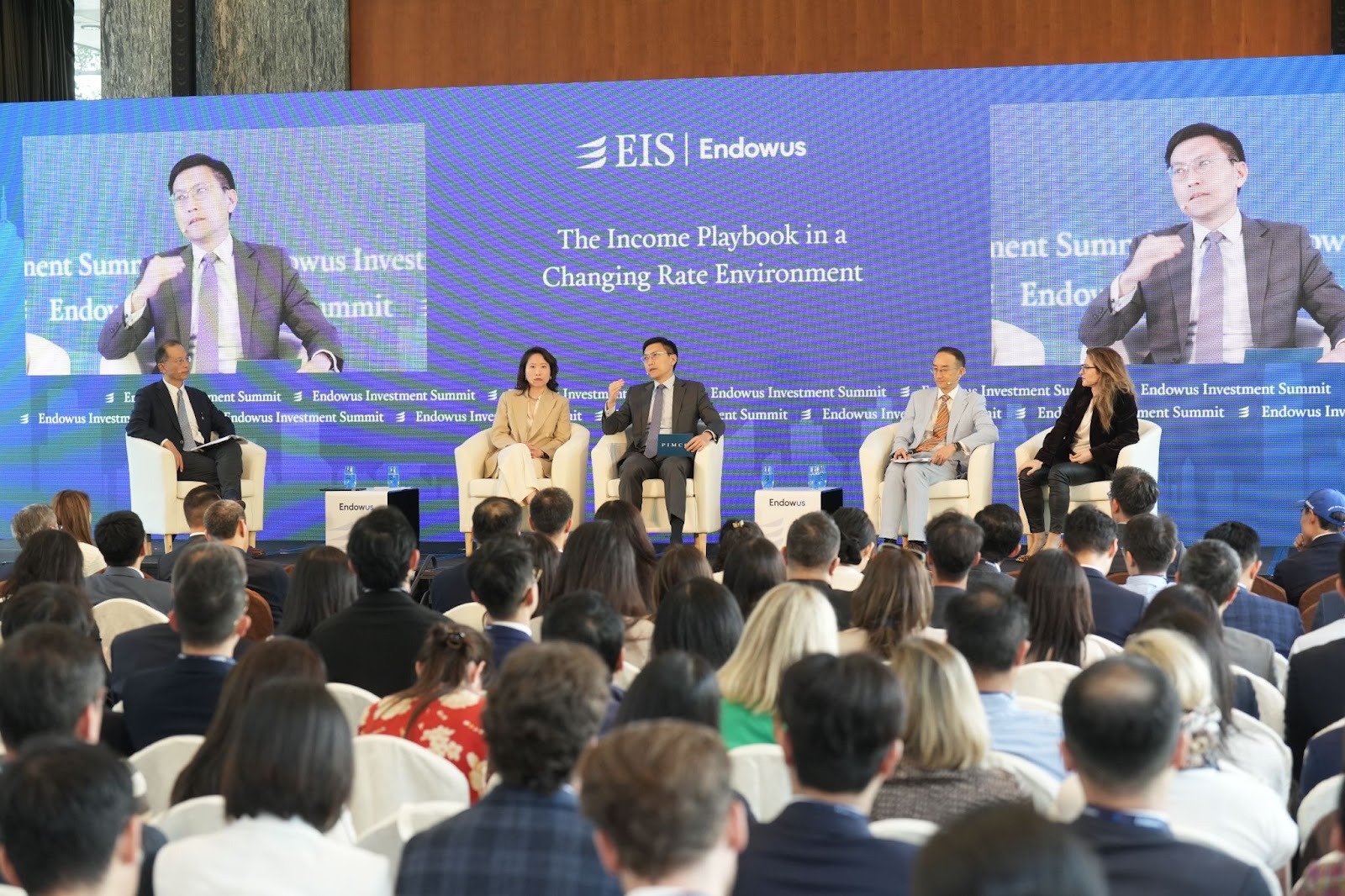
- The fixed-income landscape is currently navigating a widening range of macroeconomic outcomes. Evolving energy market dynamics are introducing new variables for both inflation and growth, which will require investors to closely monitor central banks' shifting policy reactions.
- Amid recent geopolitical escalations, central banks among emerging markets are expected to maintain a cautious, hawkish stance due to their sensitivity to currency volatility. Investors can rely on the existing carry cushion for returns instead of positioning for aggressive local currency appreciation.
- RMB-denominated government bonds could potentially present a stronger investment case as a safe haven, buoyed by a commitment to economic self-sufficiency and more limited contingent fiscal liabilities than those of developed-market peers. Meanwhile, emerging market sovereign defaults are expected to remain subdued, while corporate defaults are expected to rise globally across both developed and emerging markets.
- To navigate stagflationary risks, some of the panellists recommended actively managed capital preservation. More specifically, by shifting into higher real-yield emerging market debt, and by making strategic allocations to highly liquid G10 rates (shorting durations) and to inflation-protected securities.
Is it time to look beyond the US?
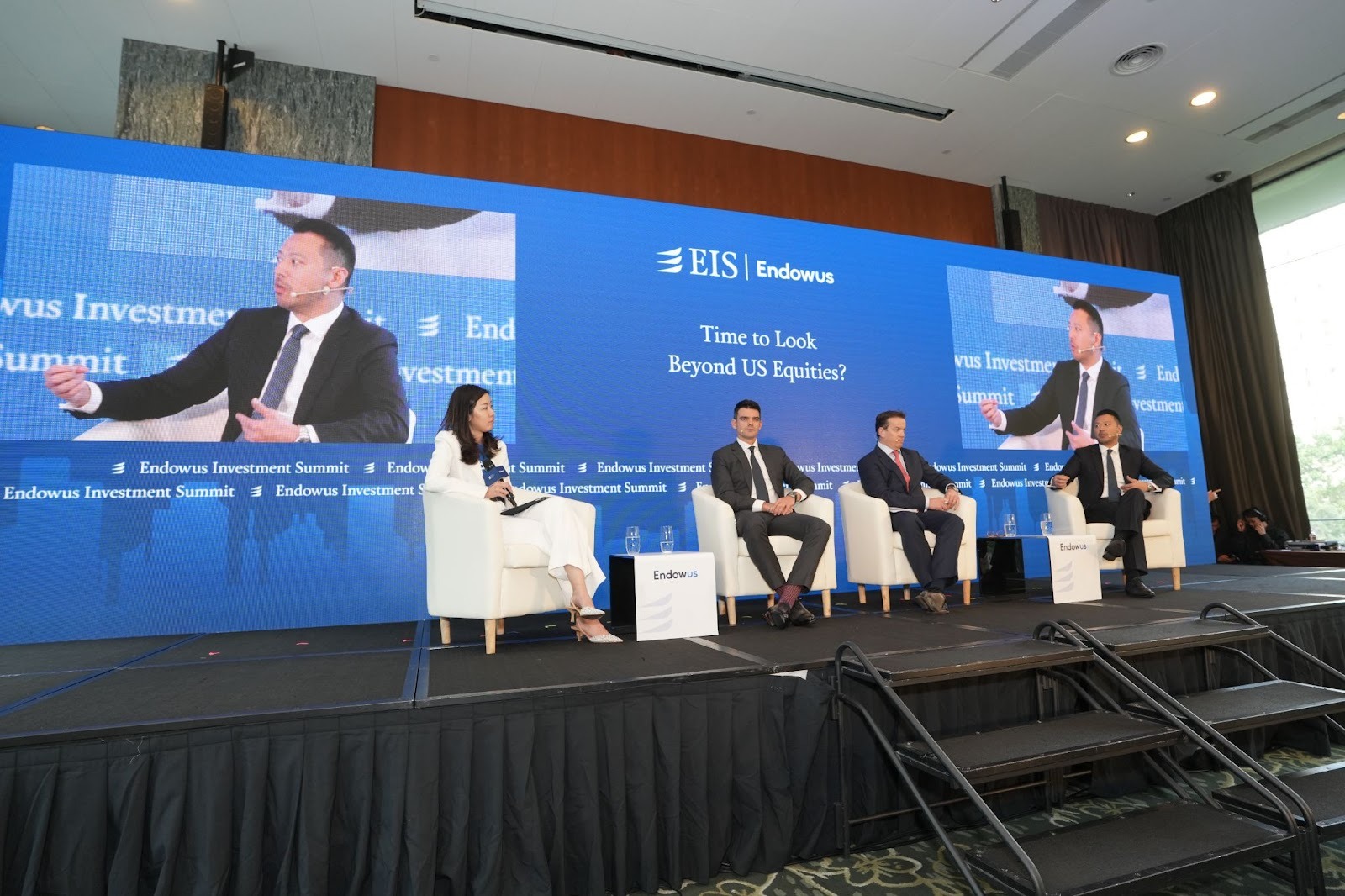
- The US exceptionalism thesis is challenged by rising fiscal deficits, escalating debt-service costs, and political unpredictability. Institutional capital has been shifting toward international equities to capture potentially compelling valuation gaps and positive regulatory developments in Japan and Korea.
- Japan presents a robust structural case for investing, underpinned by a macroeconomic transition from chronic deflation to sustainable inflation and consistent real wage growth. Ongoing corporate governance reforms are actively pushing Japanese companies to improve their returns on equity and shareholder distributions, which may enhance the attractiveness of Japanese equities.
- Similarly, the Korean equity market is undergoing a significant rerating. This shift is catalysed by new legislative mandates enforcing equitable treatment for minority shareholders, directly targeting and dismantling the historical "Korea discount."
- In Europe, attractive valuation multiples and lower index concentration offer a distinct avenue to capitalise on the next phase of the artificial intelligence cycle. The region's industrial and materials sectors are well-positioned to benefit from widespread AI hardware integration and the resulting gains in operational efficiency.
- Given the inherent market inefficiencies, language barriers, and structural complexities in regions such as Japan and emerging Asia, active management is critical. Deep fundamental research and local expertise remain essential for identifying value, extracting alpha, and navigating these diverse market landscapes.
Equity investing masterclass: Lessons in discipline from the institutional playbook
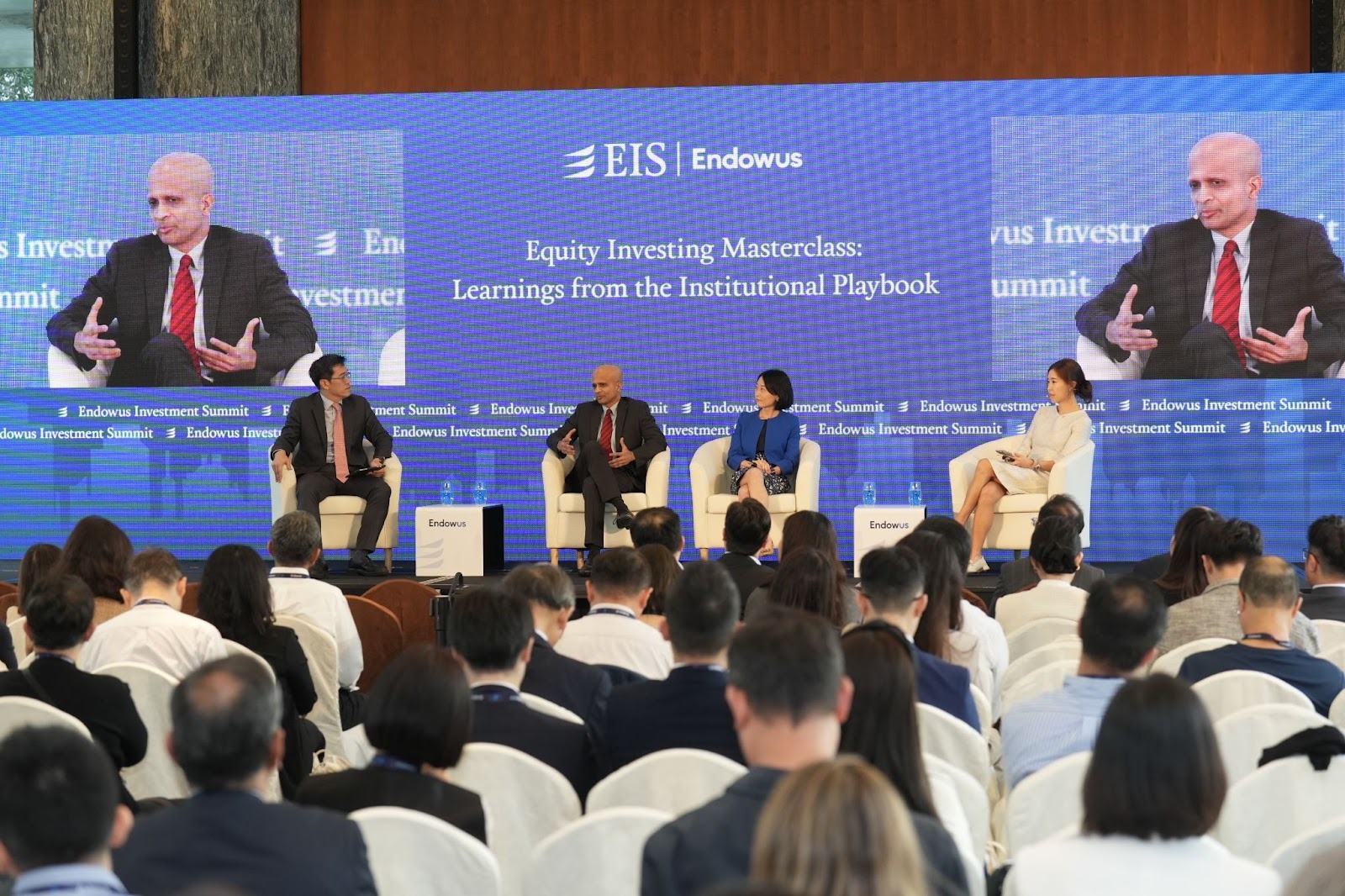
- Consistent sustainable equity outperformance fundamentally relies on rigorous process discipline and the systematic exploitation of human behavioural biases, such as fear, greed, and anchoring. This is despite the fact that financial markets can process real-time information. As a result, a pattern of overreactions or underreactions to fundamental data may emerge.
- There are two potential ways to navigate this environment.
- Systematic active management uses rules-based, quantitatively driven processes to generate returns beyond a passive benchmark. It spans a wide spectrum of strategies: at one end, factor-oriented strategies that construct diversified portfolios with persistent tilts towards empirically validated premia - such as value and quality - and tend to be patient and lower turnover. At the other end, quantitative alpha strategies that exploit shorter-lived mispricings or behavioural inefficiencies at scale often result in higher turnover. What unites both is the replacement of discretionary judgment with systematic, repeatable processes.
- On the other side of the spectrum, there is a deep, fundamental approach to public equities investing which looks at businesses from an owner’s mindset. This strategy relies on developing profound proprietary insights into underlying business models, competitive moats, and management quality, allowing long-term earnings to compound over decades. Under this framework, severe market drawdowns can be viewed as strategic liquidity events, allowing capitalisation on irrational market depression to acquire premium, resilient assets at heavily discounted valuations.
Presentation by iCapital: Alternatives decoded
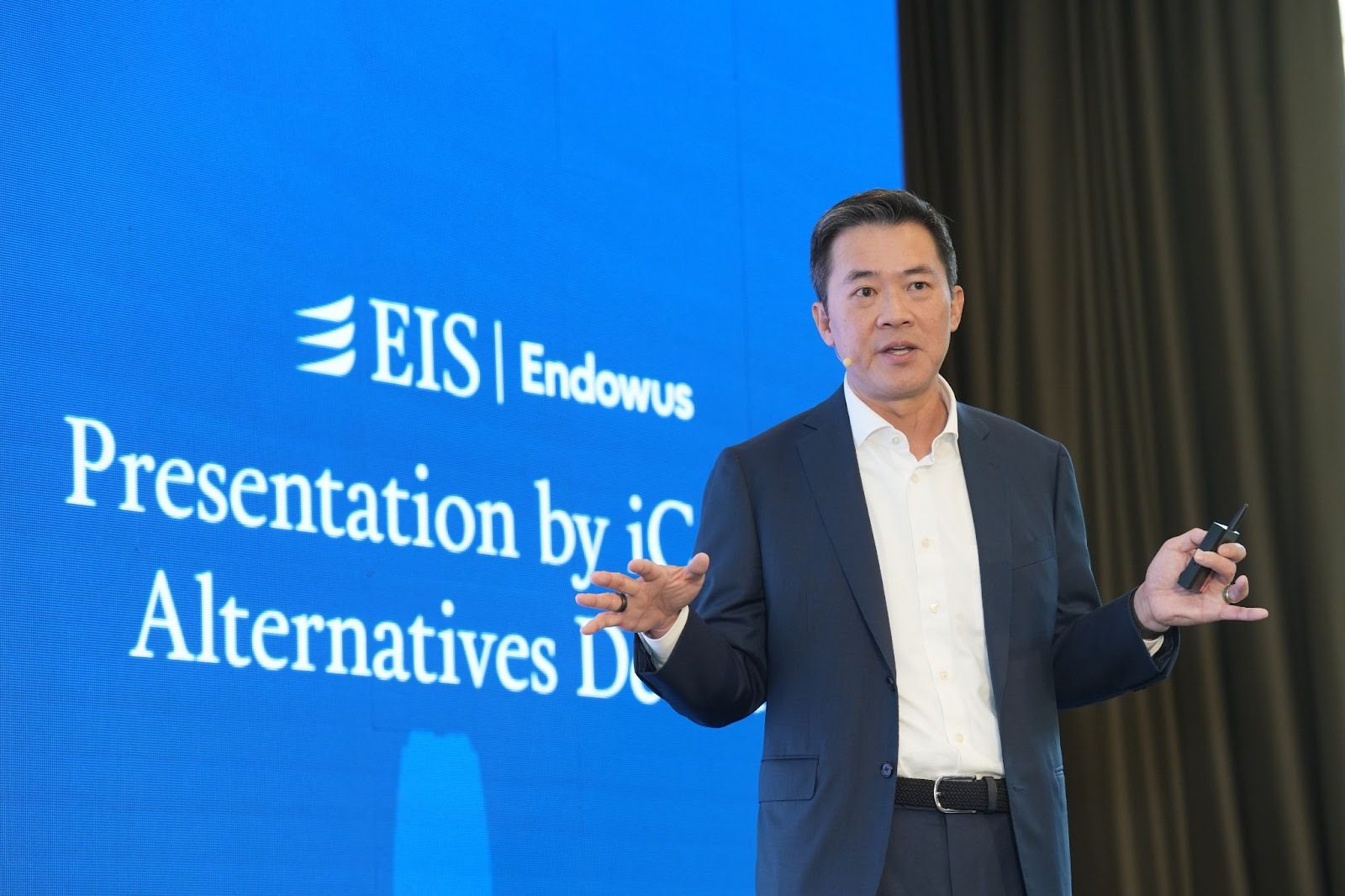
- iCapital aims to further democratise alternative investments by building a comprehensive B2B operating system that bridges the gap between wealth management channels and top-tier asset managers. Focusing on demystifying alternatives for wealth clients, improving access to diversified products, and enhancing tech, it supports over 3,000 wealth platforms and 800 general partners globally.
- Two secular trends continue to drive this expansion: the structural shift of corporate growth into private markets and the massive under-allocation within wealth channels. Currently, high-net-worth investors allocate a smaller fraction of their portfolios to alternatives than institutional clients, creating a massive opportunity for growth. Notably, 87% of companies with over $100 million in revenue operate in private markets, whereas public indices like the S&P 500 have become highly concentrated, with roughly 45% of their weight dominated by large tech firms.
- As the global alternatives market, including hedge funds, is projected to expand from US$19 trillion today to nearly US$35 trillion by 2030, increasing this allocation is crucial for capturing broader economic growth.
- Recent headlines and redemption pressures in the private credit space in early 2026 should be viewed as isolated liquidity events rather than systemic fundamental deterioration. Investors are encouraged to look past short-term volatility, maintain their allocations, and diversify across alternative strategies, including infrastructure, private equity secondaries, and hedge funds.
Beyond the traditional playbook: Expanding into alternative and real assets
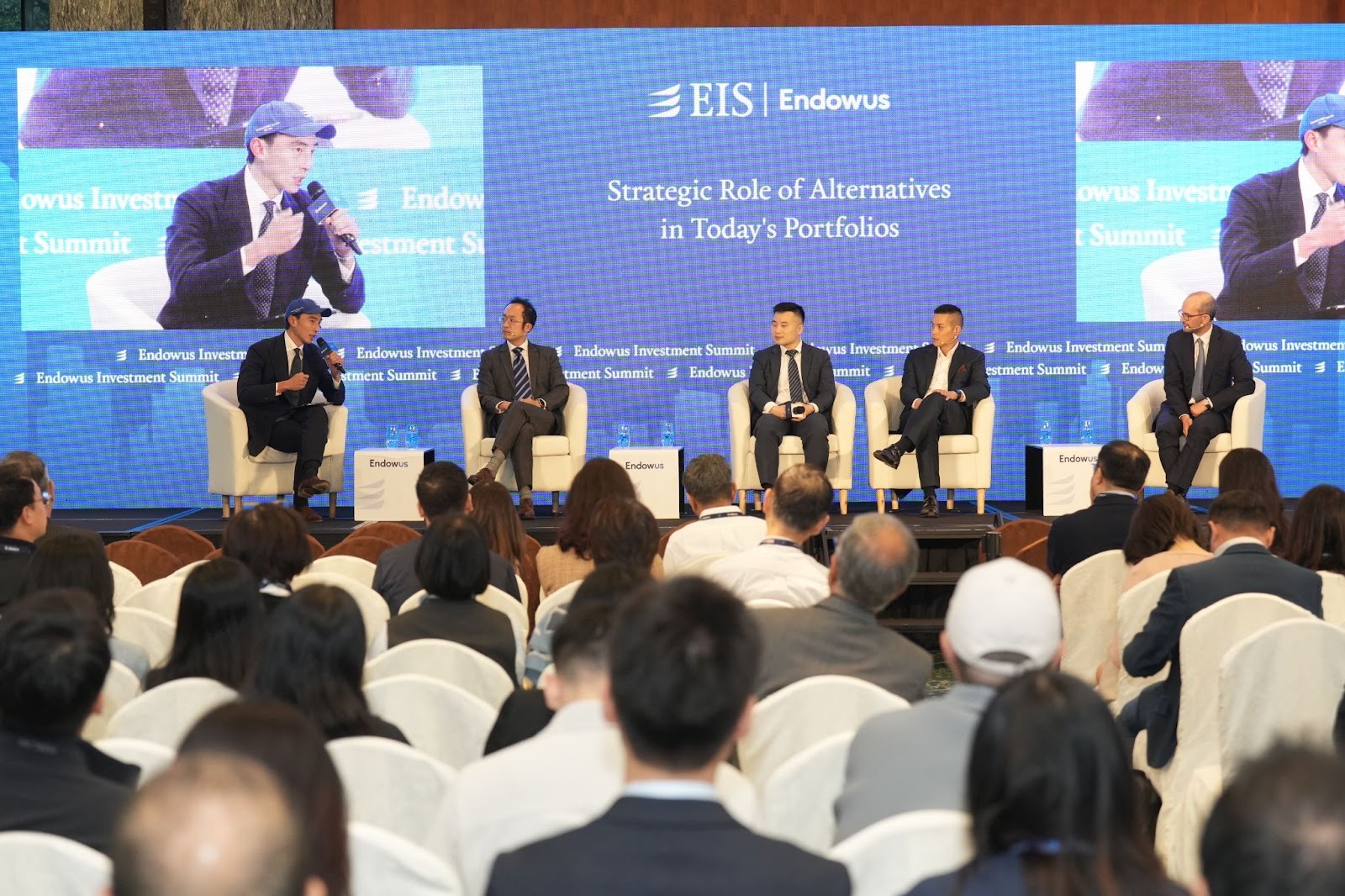
- The traditional dichotomy between public and private markets has fundamentally shifted. Private capital is increasingly serving as a primary engine for broad economic exposure. As the number of publicly listed companies has structurally contracted, and companies stay private for longer, gaining exposure is no longer an “alternative” but quite core to being well diversified.
- Within real assets, infrastructure may offer resilient cash flow characteristics, often supported by long‑term contracted or inflation‑linked revenue structures. This asset class allows investors to capitalise on the global energy transition and the large-scale expansion of next-generation data centre infrastructure.
- Evergreen has now been around for 25 years and has changed the way investors gain exposure to private markets. However, prudent liquidity management within these vehicles is critical, and investors must properly match the duration and liquidity needs of their goals before considering these asset classes.
- For fund managers, portfolio management, pro-rata allocations alongside other mandates and funds, and deliberate vintage diversification are keys to portfolio construction and the long-term success of offering evergreens.
- Daily liquid alternatives that trade long/short in public markets have long been part of institutional investor portfolios, but have recently become more popular with sophisticated individual investors who can access the asset class at fair fees. These strategies can serve as essential tools for portfolio stabilisation. Due to their typically lower correlation with broader equity and fixed-income markets, they may reduce overall portfolio volatility during severe drawdowns while providing investors with the flexibility of daily liquidity.
Staying calm and long term-focused amid uncertainties
No one can truly predict or control the markets. At Endowus, we remind clients to, instead, focus on what you can control: constructing resilient portfolios that can ride through volatility and focusing on their goals.
History continues to support time-tested principles espoused by successful investors, including Warren Buffett, John C. Bogle and Franklin Templeton: diversify your portfolio, keep investing costs low, and stay invested over the long term.
With this approach in mind, we are here to help you see through the noise and focus on what matters. If you need guidance on your wealth journey, feel free to reach out to schedule a 1-on-1 consultation with our SFC-licensed client advisors.
Read more:
- War, oil price, inflation and volatility
- Recession or not, here's how to invest in uncertain times, in seven charts
- 'Safe' investing in times of uncertainty?
<divider><divider>
Risk Warnings
Investment involves risk. Past performance is not an indicator nor a guarantee of future performance or returns. Projected performance or returns is not guaranteed to materialise. The value of investments and the income from them can go down as well as up, and you may not get the full amount you invested.
Rates of exchange may cause the value of investments to go up or down. Individual stock performance does not represent the return of a fund.
General risk warnings relating to collective investment schemes
Before making an investment decision, you are reminded to refer to the relevant prospectus/ offering document for specific risk considerations and related fees and charges.
Funds are not a bank deposit and not capital guaranteed, and is subject to investment risks, including the possible loss of the principal amount invested.
Some of the funds also involve derivatives. Do not invest in them unless you fully understand and are willing to assume the risks associated with them.
Opinions
Any forward-looking statements, prediction, projection or forecast on the economy, stock market, bond market or economic trends of the markets contained in this material are subject to market influences and contingent upon matters outside the control of Endowus HK Limited (“Endowus”) and therefore may not be realised in the future. Further, any opinion or estimate is made on a general basis and subject to change without notice. In presenting the information above, none of Endowus HK Limited, its affiliates, directors, employees, representatives or agents have given any consideration to, nor have made any investigation of the objective, financial situation or particular need of any user, reader, any specific person or group of persons. Therefore, no representation is made as to the completeness and adequacy of the information to make an informed decision. You should carefully consider whether any investment views and products/ services are appropriate in view of your investment experience, objectives, financial resources and relevant circumstances. You may also wish to seek financial advice through a financial advisor or the Endowus platform and independent legal, accounting, regulatory or tax advice, as appropriate.
No invitation or solicitation
Nothing contained [in this article] should be construed as a solicitation, an offer to buy or sale, or recommendation, to acquire or dispose of any security, commodity, investment or to engage in any other transaction in any jurisdiction in which such solicitation, offer to buy or sale would be unlawful under the securities laws in such jurisdiction. No information included [on this website/ in this article] is to be construed as investment advice or as a recommendation or a representation about the suitability or appropriateness of any advisory product or service; or an offer to buy or sell, or the solicitation of an offer to buy or sell, any security, financial product, or instrument; or to participate in any particular trading strategy. Investors should seek independent financial and tax advice before making any investment decision.
Product Risk Rating: Please note that any product risk rating (the “PRR”) provided by us is an internal rating assigned based on our product risk assessment model, and is for your reference only. The PRR is subject to change from time to time. The PRR does not take into account your individual circumstances, objectives or needs and should not be regarded as advice or recommendation to purchase, hold or sell any fund or make any other investment decisions. Accordingly, you should not solely rely on the PRR in making your investment decision in the relevant Fund.
Complex Products
Some of the funds contained in this article are complex products and investors should exercise caution when investing in these products. Though these products have been authorised by the SFC, authorization does not imply official recommendation. SFC authorization is not a recommendation or endorsement of a product nor does it guarantee the commercial merits of a product or its performance.
This advertisement has not been reviewed by the Securities and Futures Commission or any regulatory authority in Hong Kong.


.png)